
How long does it take?
Ocean transit commonly 2–4 days; allow 2–3 weeks door to door including export filing and customs. The route covers about 800 ocean miles from South Florida to Rio Haina.

Car Shipping Miami is a marketplace. Independent providers quote and perform the transport.
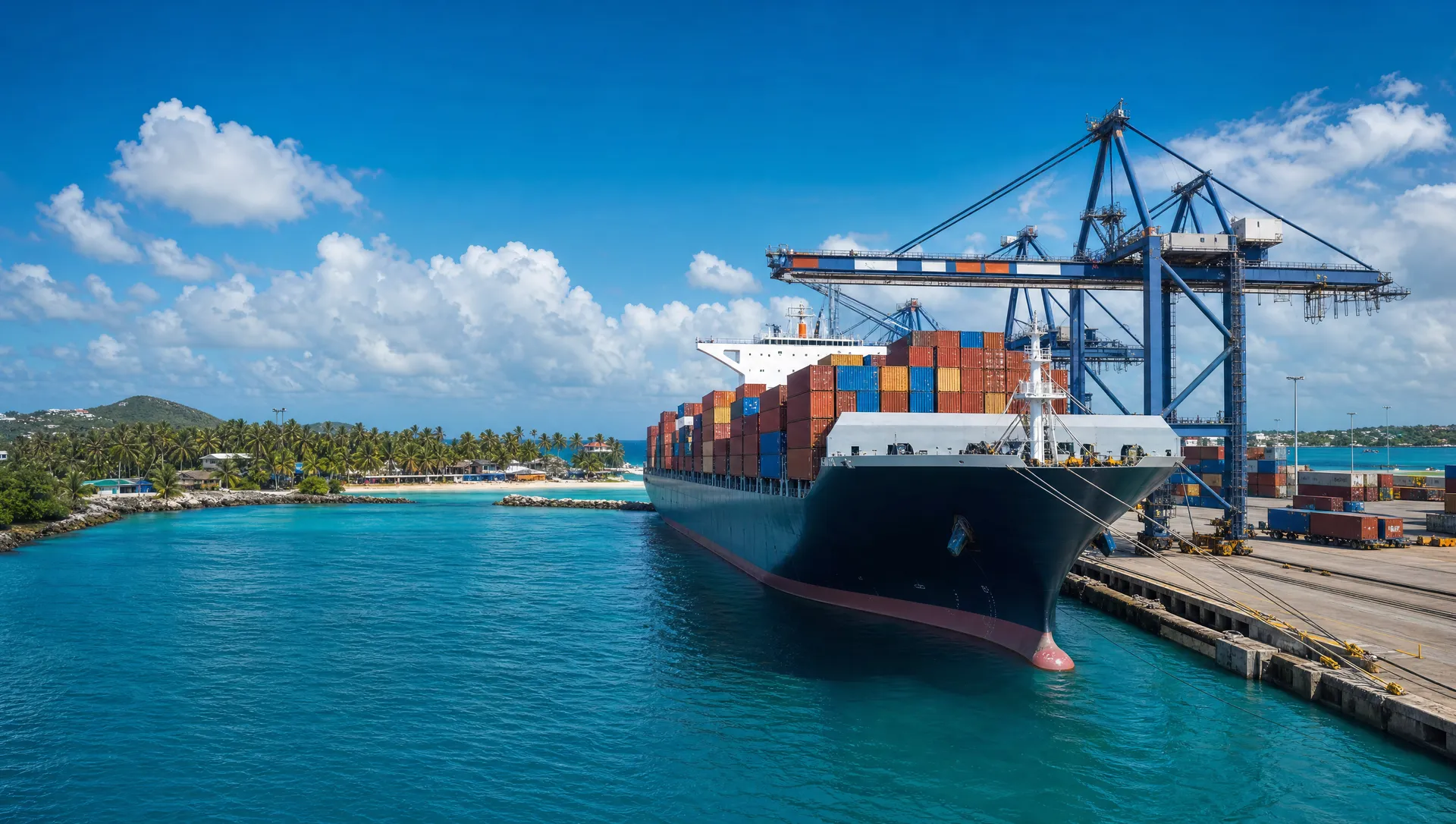
Published estimates for shipping a car from Miami to Dominican Republic ranged $1,200–$3,200 (standard sedan, RoRo or container from South Florida; excludes Dominican duties and taxes), and transit is commonly 2–4 days.
Know this first: Check the DR’s vehicle-age cap before anything else — an ineligible model year stopped at customs is an expensive lesson no quote can fix.
Ocean transit commonly 2–4 days; allow 2–3 weeks door to door including export filing and customs. The route covers about 800 ocean miles from South Florida to Rio Haina.
Sailings from the Miami River and South Florida ports into Rio Haina and Caucedo.
Year-round, multiple sailings weekly. Hurricane season can shift schedules; December fills vessels with holiday cargo — book early that month.
Published third-party estimates ranged $1,200–$3,200 (standard sedan, RoRo or container from South Florida; excludes Dominican duties and taxes, collected August 2026). Three numbers make the landed cost: ocean freight, US export handling, and Dominican duty and taxes assessed on the vehicle’s appraised value — the last often the largest. Ask for a door-to-door picture with the government charges itemized.
Published estimates collected · standard sedan, RoRo or container from South Florida; excludes Dominican duties and taxes
Published estimates
$1,200–$3,200
from $1,450
as published by CFR Classic (opens in a new tab)
RoRo, Port of Miami to Rio Haina, compact car, port-to-port, about 20 days door to done
$1,200–$3,200
as published by A-1 Auto Transport (opens in a new tab)
US to DR overall; a dedicated 20ft container runs $3,600–$4,100 for the ocean leg alone; 10–21 days
Every published figure excludes Dominican import charges — duty commonly 20–40% plus 18% ITBIS — which can exceed the freight itself.
These figures are estimates published by third-party transport companies, shown here for orientation with their sources and collection date. They are not quotes from Car Shipping Miami or from providers on this marketplace, and they are not binding on anyone. Independent providers set their own pricing for your specific shipment.
Sourced data
Every figure below names its source — the standard the whole site holds itself to.
25,000+
US used vehicles exported to the Dominican Republic in a typical year
One of the top destinations for American used cars — this lane is a highway.
Source: U.S. Department of Commerce / trade.gov used-vehicle export data
~2/3
of the DR’s car imports come from the United States
Source: UN Comtrade via Statista (2020)
72 hrs
required US export filing window before sailing
Source: US Customs and Border Protection (AES)

Both endpoints, the vehicle and your timing. Exports add paperwork, not mystery — it starts the same way.

A provider or forwarder prices both options and files the US customs export paperwork against your title.

The car ships from a South Florida port; the importer clears destination customs and duties before it drives away.
How this route behaves
The DR caps the age of importable used vehicles — a rule that has stood for years and is enforced at customs, with the cap differing for cars versus some work vehicles. Confirm your exact model year is currently eligible before booking; an ineligible car stopped at customs is an expensive lesson.
Every vehicle leaving the US needs the original title presented to Customs and Border Protection and an export filing lodged ahead of sailing — the standard federal 72-hour window. Providers on this lane handle the filing routinely, but the title (lien-free or with lender authorization) has to be in hand first.
Dominican import duty and taxes are assessed on the vehicle’s appraised value and add a meaningful share to the landed cost. Ask the provider for a door-to-door picture that names the government charges separately, so the quote and the taxes never blur together.
South Florida sailings depart from PortMiami, Port Everglades or Jacksonville depending on the line serving your destination. Providers collect anywhere in the Miami area and deliver to the terminal, or you can drop the car at the port yourself on a port-to-port booking.
Tell us where the car is now and where it’s going — providers running this route can quote it.
Common questions
Ocean transit commonly 2–4 days; allow 2–3 weeks door to door including export filing and customs. The route covers about 800 ocean miles from South Florida to Rio Haina.
Year-round, multiple sailings weekly. Hurricane season can shift schedules; December fills vessels with holiday cargo — book early that month.
Published third-party estimates ranged $1,200–$3,200 (standard sedan, RoRo or container from South Florida; excludes Dominican duties and taxes, collected August 2026). Three numbers make the landed cost: ocean freight, US export handling, and Dominican duty and taxes assessed on the vehicle’s appraised value — the last often the largest. Ask for a door-to-door picture with the government charges itemized.
Dominican law caps the age of importable used vehicles — the cap has long stood at five years for cars, with different treatment for some work vehicles. Confirm your exact model year’s current eligibility before booking; the rule is enforced at customs.
On the vehicle’s appraised value at customs — not your bill of sale — combining duty and taxes that add a meaningful share to landed cost. Providers on this lane can estimate the figure for your exact vehicle before you commit.
The importer — you, or whoever receives the car — pays the destination country’s duties, taxes and clearance fees on arrival. Published freight figures exclude them, and on many routes they rival or exceed the freight itself, so get the destination’s current rates before committing.
US customs requires the original title and an export filing, with the documentation presented ahead of the sailing. The destination country adds its own import forms. A provider or freight forwarder handles the filings; your job is supplying the documents early.
Roll-on/roll-off is usually the economical choice for a running car — it drives on and off the vessel. A container costs more and suits high-value cars, non-runners, or destinations where RoRo service is thin. Providers can price both for comparison.
Only with the lien holder’s written authorization — US customs will not clear a vehicle for export without the title or the lender’s permission. If the car has a loan on it, start that conversation with the lender first; it is the slowest document to obtain.
Distances and transit ranges describe how these routes typically behave. They are not quotes, and they are not a commitment by Car Shipping Miami or any provider. Import duties, taxes and vehicle-eligibility rules are set by governments and change — confirm current requirements before booking any ocean or international shipment. The provider you speak with gives the estimate that applies to your shipment.
Car Shipping Miami is a marketplace and advertising platform. Car Shipping Miami does not transport vehicles or provide transportation services. Transportation quotes and services are offered by independent providers. Review provider information and terms before choosing a service. How this marketplace works
Share the route, the vehicle and your timing. You’ll know exactly what happens next before you submit anything.
Get quotesCar Shipping Miami is a marketplace. Independent providers quote and perform the transport.